
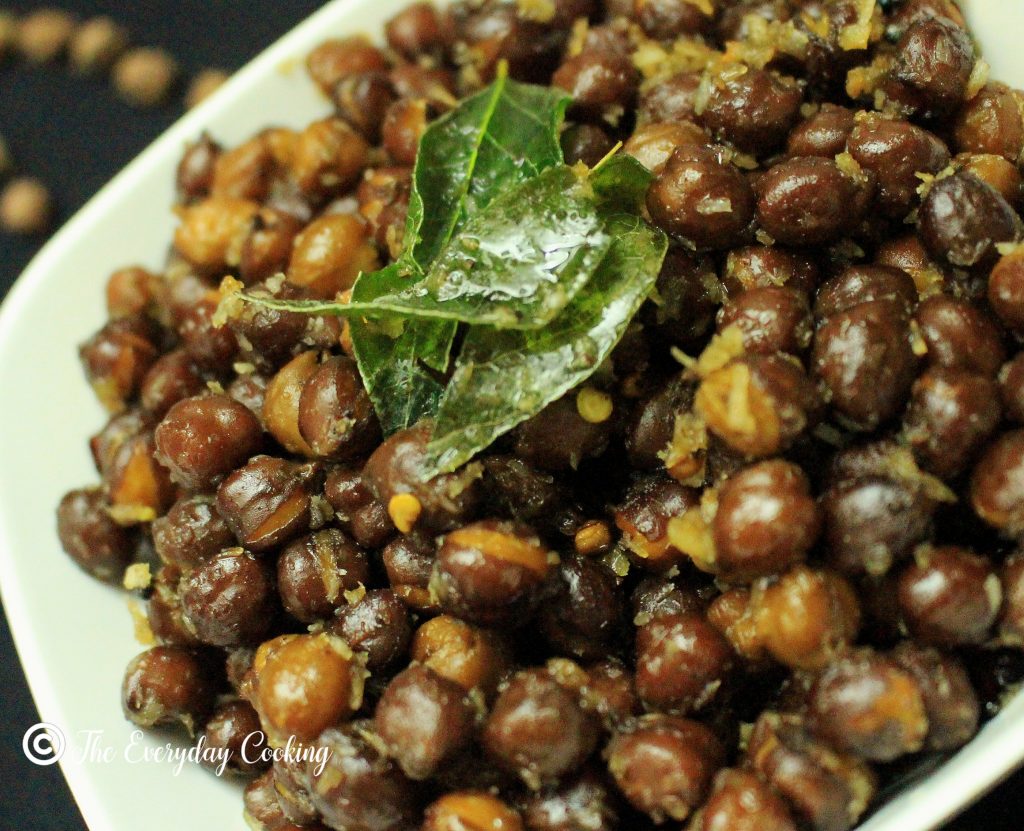
Wondering how to increase protein in your Indian diet without buying expensive supplements? You are not alone. Most of us grew up on comforting plates of rice, roti, idli and dosa – delicious, but often light on protein. The good news is that our own kitchens are full of protein-rich foods like dal, chana, paneer, curd, peanuts, eggs and fish. With a few simple swaps, every meal can carry more protein.
In this guide we explain how much protein you actually need, why many Indian diets fall short, how protein supports weight loss and overall health, and – most importantly – practical, everyday ways to add more protein to Indian meals. We have also included a protein chart of common Indian foods and a sample high-protein Indian meal plan – plus a protein calculator, a fun protein quiz and an interactive diet plan builder to create your own Indian diet plan.
Key Takeaways
- Most healthy adults need roughly 0.8–1 g of protein per kg of body weight a day; people trying to lose weight or who exercise regularly often benefit from a little more.
- Nearly half of the protein Indians eat comes from cereals, which are lower-quality protein sources; pulses, dairy, eggs and meat are under-eaten.
- Protein keeps you full for longer, uses more energy to digest and helps protect muscle while you lose weight.
- Spread protein across all meals – aim to include a protein food at breakfast, lunch, dinner and snacks.
- Whole foods should come first. The ICMR-NIN dietary guidelines advise against relying on protein supplements to build body mass.
How Much Protein Do You Need Per Day?
Indian nutrition bodies have traditionally recommended about 0.8 to 1 g of protein per kg of body weight per day for healthy adults. That works out to roughly 48–60 g a day for a 60 kg adult. Your exact needs depend on your age, activity level, and health goals.
| Body weight | Basic need (0.8–1 g/kg) | Active / weight-loss range (1.2–1.6 g/kg) |
|---|---|---|
| 50 kg | 40–50 g | 60–80 g |
| 60 kg | 48–60 g | 72–96 g |
| 70 kg | 56–70 g | 84–112 g |
| 80 kg | 64–80 g | 96–128 g |
Many weight-loss and strength-training studies use intakes of around 1.2–1.6 g/kg. The 2024 ICMR-NIN Dietary Guidelines for Indians note that intakes above about 1.6 g/kg/day do not add further gains in muscle mass with resistance exercise, so there is no benefit in going overboard.
Use our free calculator to find your own daily protein target in seconds:
🧮 Daily Protein Calculator
Enter your weight and goal to see how much protein you need – and how to split it across Indian meals.
Estimates for healthy adults only. Pregnancy, kidney disease and other conditions need personal advice from a doctor or dietitian.
Are Indians Getting Enough Protein?
Not quite. A 2025 analysis by the Council on Energy, Environment and Water (CEEW), based on the government’s Household Consumption Expenditure Survey 2023-24, found that the average Indian eats about 55.6 g of protein a day at home – but nearly 50% of it comes from cereals like rice and wheat, compared with a recommended share of about 32%. Pulses contribute only around 11% of protein against a recommended 19%.
Cereal protein is lower in some essential amino acids (especially lysine), so a diet that relies mainly on rice and wheat can fall short on protein quality even when the total grams look reasonable. The fix is not complicated: eat more dal, legumes, dairy, nuts, seeds and – if you eat them – eggs, fish and meat.
Why Protein Matters for Weight Loss and Health
1. Keeps You Full for Longer
Protein is the most satiating nutrient. A breakfast of moong dal chilla with curd keeps hunger away far longer than plain bread and tea, which makes it easier to eat fewer calories without feeling deprived.
2. Burns More Calories During Digestion
Your body uses more energy to digest protein than carbohydrates or fat. This “thermic effect” is commonly estimated at around 20–30% of the calories from protein, compared with about 5–10% for carbohydrates.
3. Protects Muscle While You Lose Weight
When you eat fewer calories, your body can lose muscle along with fat. Getting enough protein – along with some strength training – helps you hold on to muscle, which keeps your metabolism and strength up.
4. Helps Keep Blood Sugar Steadier
Adding dal, paneer, curd or eggs to a carb-heavy meal slows down how quickly it is digested. That is why a balanced plate of rice with sambar and curd is gentler on blood sugar than a big plate of plain rice. This is especially helpful if you are managing diabetes.
5. Supports Immunity, Hair, Skin and Recovery
Protein provides the building blocks for enzymes, antibodies, hair, nails and skin, and helps your body repair after illness or exercise.
Protein Content of Common Indian Foods
Here is a quick chart of protein-rich Indian foods. Values are approximate and vary by brand, variety and cooking method.
| Food | Typical serving | Protein (approx.) |
|---|---|---|
| Soya chunks (dry) | 30 g | 15 g |
| Chicken breast (cooked) | 100 g | 30 g |
| Fish (cooked) | 100 g | 20–25 g |
| Paneer | 100 g | 18 g |
| Hung curd / Greek yogurt | 100 g | 8–10 g |
| Egg | 1 large | 6 g |
| Rajma or chickpeas (cooked) | 1 cup | 12–15 g |
| Dal – moong/toor/masoor (cooked) | 1 katori (150 g) | 7–9 g |
| Tofu (firm) | 100 g | 8–15 g |
| Milk | 1 glass (250 ml) | 8 g |
| Curd (dahi) | 1 cup (200 g) | 6–7 g |
| Peanuts | 30 g (small handful) | 7–8 g |
| Pumpkin seeds | 30 g | 8–9 g |
| Roasted chana | 30 g | 6 g |
| Besan (gram flour) | 30 g | 6–7 g |
| Almonds | 30 g | 6 g |
| Sattu | 2 tbsp (20 g) | 4 g |
| Roti (whole wheat) | 1 medium | 3–4 g |
| Rice (cooked) | 1 cup | 4 g |
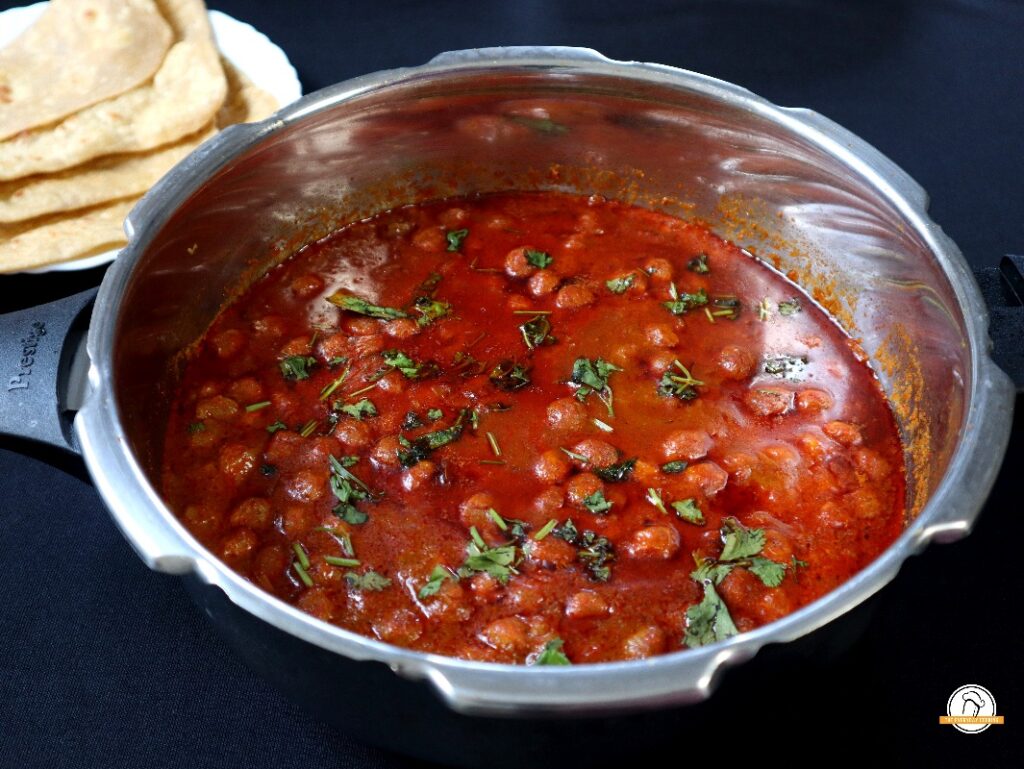
Soya chunks are one of the richest vegetarian protein sources available in India. Try our soya chunks curry (meal maker gravy) with roti or rice.
Think you know your proteins? Test yourself with this quick game:
🎯 Game: Which Has More Protein?
Tap the food you think has more protein. 8 quick rounds – how many can you get right?
10 Easy Ways to Increase Protein in Your Indian Diet
1. Make Breakfast Protein-First
- Swap plain poha or upma for moong dal chilla, besan chilla or pesarattu.
- Add a bowl of curd or a glass of milk to idli, dosa or paratha.
- Stuff parathas with paneer, sattu or soya instead of only potato.
- If you eat eggs, have a 2-egg omelette or bhurji with vegetables.
2. Upgrade Your Roti and Rice
- Mix besan, soya flour or ragi into wheat atta for rotis.
- Never skip the dal or sambar – make it thicker and serve a bigger katori.
- Pair rice with rajma, chana or dal so cereal and pulse proteins complement each other.
- Try millet-based dishes like ragi or jowar with dal for more fibre and minerals.
3. Add a Pulse or Legume to Every Lunch and Dinner
Dal, chana, rajma, lobia, moong and sprouts are budget-friendly, filling and rich in fibre. A thick arachuvitta sambar or a bowl of chana masala adds a good protein boost to an ordinary meal.

4. Use Paneer, Tofu and Curd Smartly
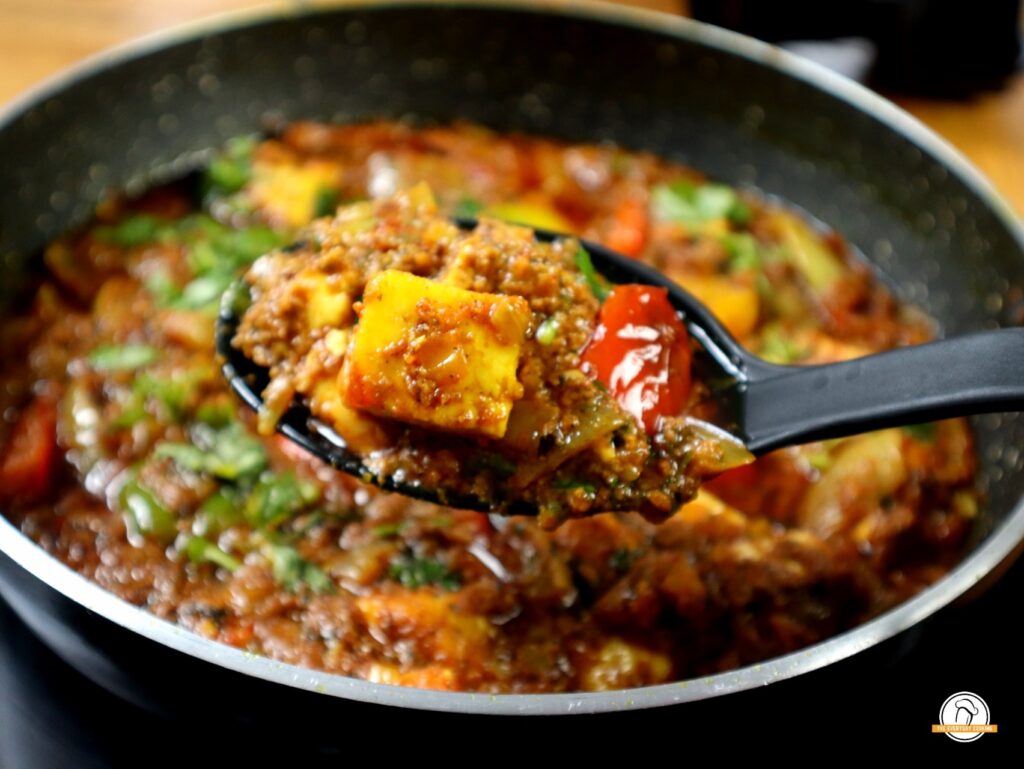
Paneer and tofu work in bhurji, tikka, curries and salads. Hung curd makes a great base for dips and raitas. Our paneer tikka masala is a family favourite – make it lighter by using less cream and more hung curd.
5. Snack on Protein, Not Biscuits
- Roasted chana, peanuts, makhana or a small handful of nuts.
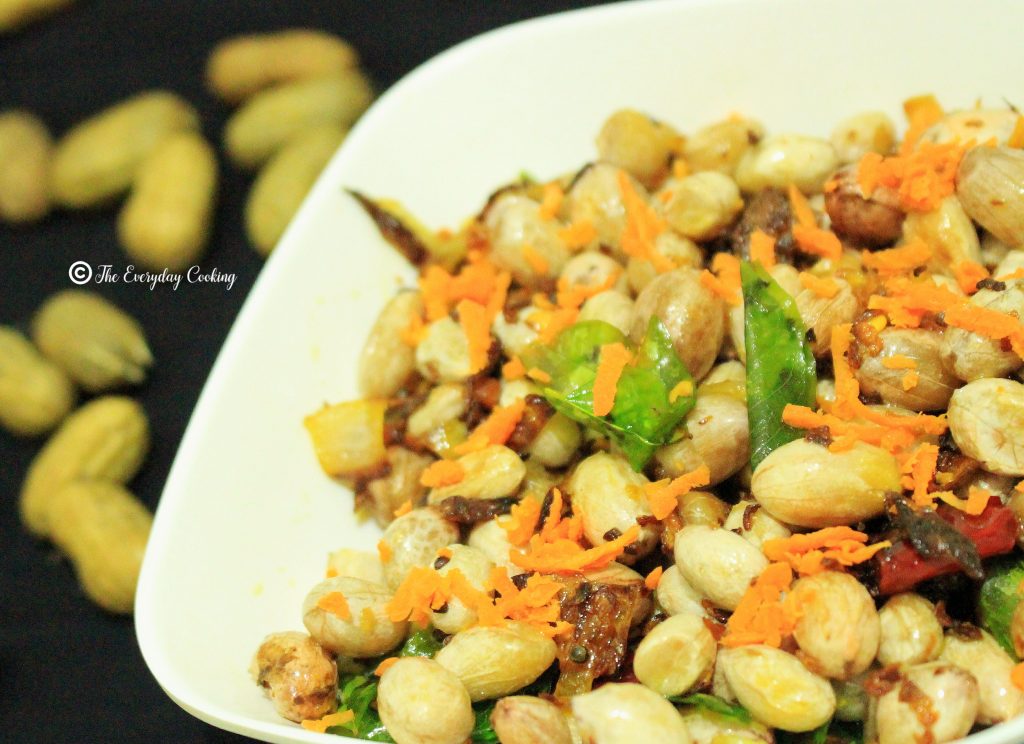
- Sundal made with chickpeas, peanuts or green gram – try our groundnut sundal or chickpea sundal.
- Sprouts chaat with onion, tomato and lemon.
- Buttermilk, lassi without sugar, or a sattu drink.
6. Include Eggs, Fish or Chicken (If You Eat Them)
Eggs, fish and chicken are complete proteins and easy to add to Indian meals. Try an egg curry (muttai kuzhambu), fish curry or grilled chicken. Choose curries with less oil and pair them with plenty of vegetables.

7. Sprinkle Seeds and Nuts
Add pumpkin, sunflower, flax or chia seeds to salads, raitas, smoothies and poha. A tablespoon here and there adds up quickly.
8. Choose Higher-Protein Desserts
Swap sugary sweets for kheer made with milk and less sugar, shrikhand made with hung curd, or a few dates with nuts.
9. Spread Protein Through the Day
Rather than eating most of your protein at dinner, aim for roughly 15–25 g at each main meal and a little more in snacks. This helps with fullness and makes better use of the protein you eat.
10. Plan and Prep Ahead
Keep boiled chana, sprouts, roasted peanuts and hung curd ready in the fridge. Soak dals the night before. When protein foods are ready to use, it is much easier to include them every day.
Sample High-Protein Indian Meal Plan (Vegetarian)
This one-day plan gives roughly 80–90 g of protein. Adjust the portions to your own needs.
| Meal | What to eat | Protein (approx.) |
|---|---|---|
| Breakfast | 2 moong dal chillas with mint chutney + 1 cup curd | 18–20 g |
| Mid-morning | 30 g roasted chana or peanuts | 6–8 g |
| Lunch | 2 rotis + 1 katori dal + 75 g paneer bhurji + salad | 25–28 g |
| Evening | 1 cup chickpea sundal + buttermilk | 14–16 g |
| Dinner | Soya chunks curry (30 g dry) + 1 cup rice or millet + raita | 20–23 g |
Non-vegetarian swaps: replace the paneer bhurji with a 2-egg bhurji, or have grilled fish or chicken curry instead of the soya chunks curry at dinner.
Build Your Own Indian High-Protein Diet Plan
Every family eats differently, so make a plan that fits your tastes. Choose foods for each meal below, see your protein add up against your target, then copy the plan to your phone or share it with your family.
🍽️ Build Your Own Indian Protein Diet Plan
Pick foods for each meal and watch your protein add up. Use the calculator above to set your target, or start with a sample plan.
Protein values are approximate per serving and vary by recipe and brand.
Do You Need Protein Powder?
For most people, no. The 2024 ICMR-NIN Dietary Guidelines for Indians advise against using protein supplements to build body mass and say that protein requirements are not as high as commonly perceived. They also caution that long-term intake of large amounts of protein powder may be linked to problems such as bone mineral loss and kidney strain. Some doctors disagree with how strongly the guidelines discourage supplements, so if you do want to use one, discuss it with your doctor or dietitian. For everyday needs, dal, curd, paneer, eggs and legumes are usually enough.
Common Mistakes to Avoid
- Eating protein only at dinner – spread it across the day.
- Relying on fried snacks like pakoras for “protein” – the extra oil adds a lot of calories.
- Too much paneer and cream – paneer is protein-rich but also high in fat; balance it with lighter sources like dal, sprouts and curd.
- Forgetting water and fibre – drink enough water and eat plenty of vegetables as you increase protein.
- Ignoring medical advice – people with kidney disease should not increase protein without guidance.
Tips to Make Your High-Protein Indian Diet a Habit
- Start with one meal – usually breakfast – and add protein to it every day for two weeks.
- Keep a “protein shelf” in the kitchen with dals, chana, peanuts, soya chunks and seeds.
- Cook dal or a legume curry in a bigger batch so it lasts two meals.
- Read labels and check protein per serving on packaged foods.
- Track your intake for a few days with a simple app to see where you stand.
Frequently Asked Questions
1. How can a vegetarian get 60 g of protein a day in an Indian diet?
Include a protein food at every meal: curd or milk at breakfast, a thick dal or legume curry at lunch and dinner, paneer or tofu once a day, and snacks like roasted chana, peanuts or sundal. The sample meal plan above gives more than 80 g.
2. Which Indian food has the most protein?
Among vegetarian foods, soya chunks are the richest (about 50 g per 100 g dry). Paneer, dals, chickpeas, rajma, peanuts and seeds are also good sources. For non-vegetarians, chicken, fish and eggs are excellent.
3. Does eating more protein help with weight loss?
Yes, it can help. Protein keeps you full, uses more energy to digest and helps protect muscle. It works best as part of a balanced diet with an overall calorie deficit and regular physical activity.
4. Is a high-protein diet good for diabetics?
Adding protein to meals helps slow down digestion and can keep blood sugar steadier. People with diabetes – especially those with kidney problems – should follow their doctor’s or dietitian’s advice on how much protein to eat.
5. Can too much protein be harmful?
For healthy people, moderate increases from whole foods are generally safe. Very high intakes, especially from supplements over a long time, are not recommended, and people with kidney disease need medical guidance.
Final Thoughts
Increasing protein in an Indian diet does not need fancy ingredients. Start your day with a protein-rich breakfast, never skip the dal, snack on chana and peanuts, and add curd, paneer or eggs where you can. Small, steady changes add up – and you will likely feel fuller, stronger and more energetic.
Sources
- CEEW – Indians are getting protein of poor quality; nearly 50% comes from cereals (2025)
- The South First – ICMR releases Dietary Guidelines for Indians (2024)
- ORF – India’s protein deficiency and the need to address the problem
This article is for general information only and is not medical advice. Please consult a doctor or registered dietitian for advice specific to your health.